

Nursery Class – L.K.G. & U.K.G. (English Medium)
Introduction
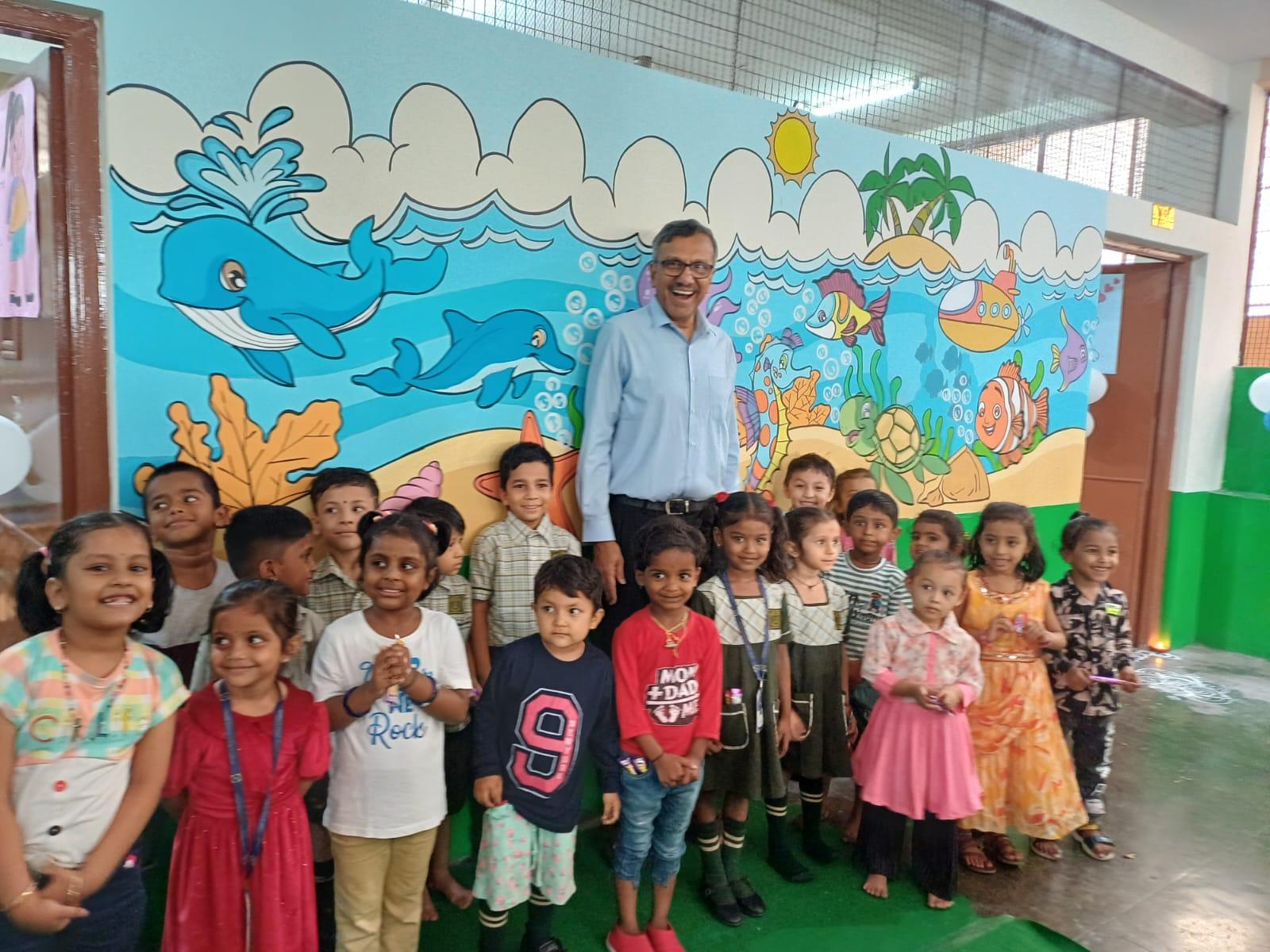
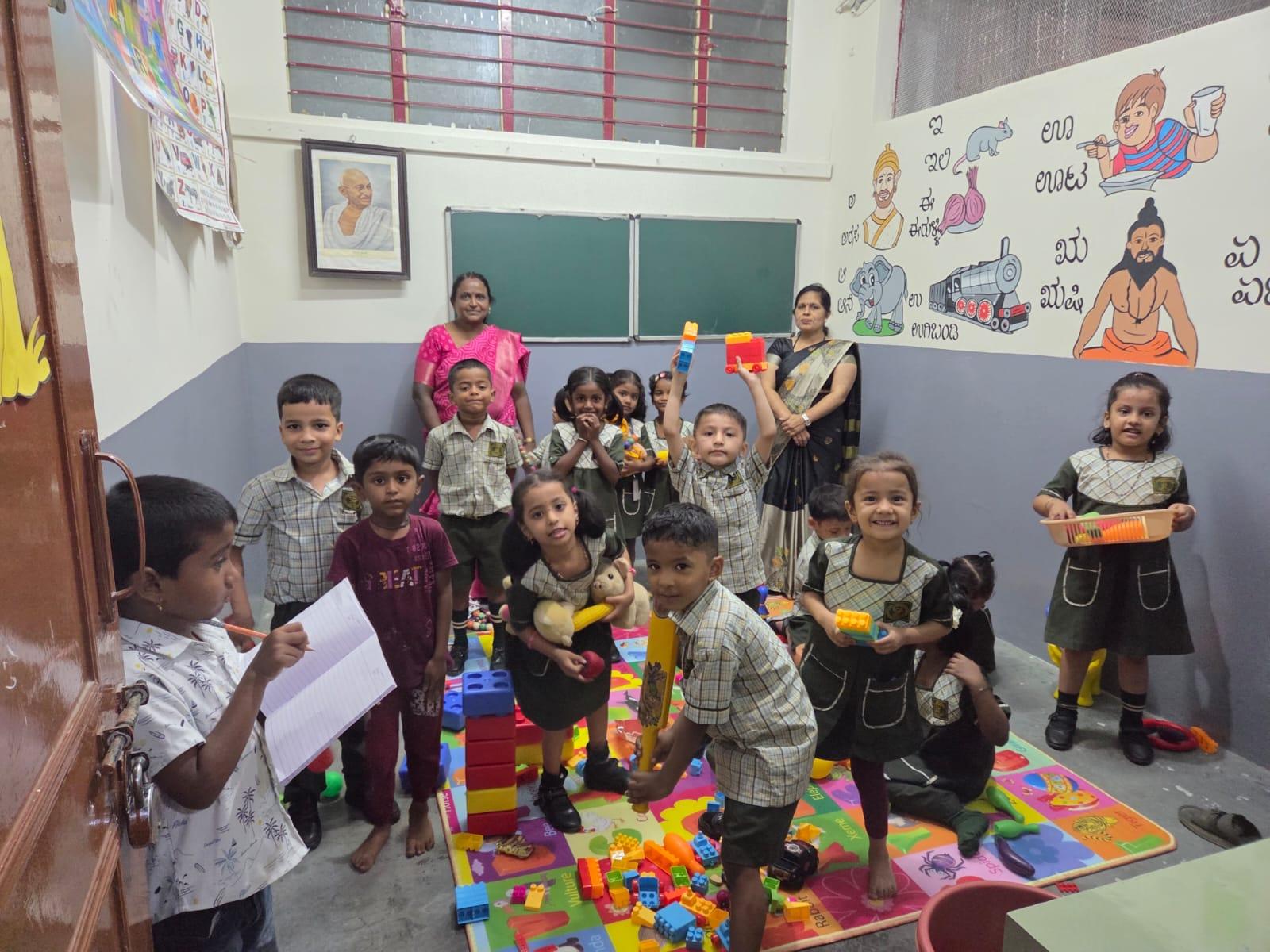
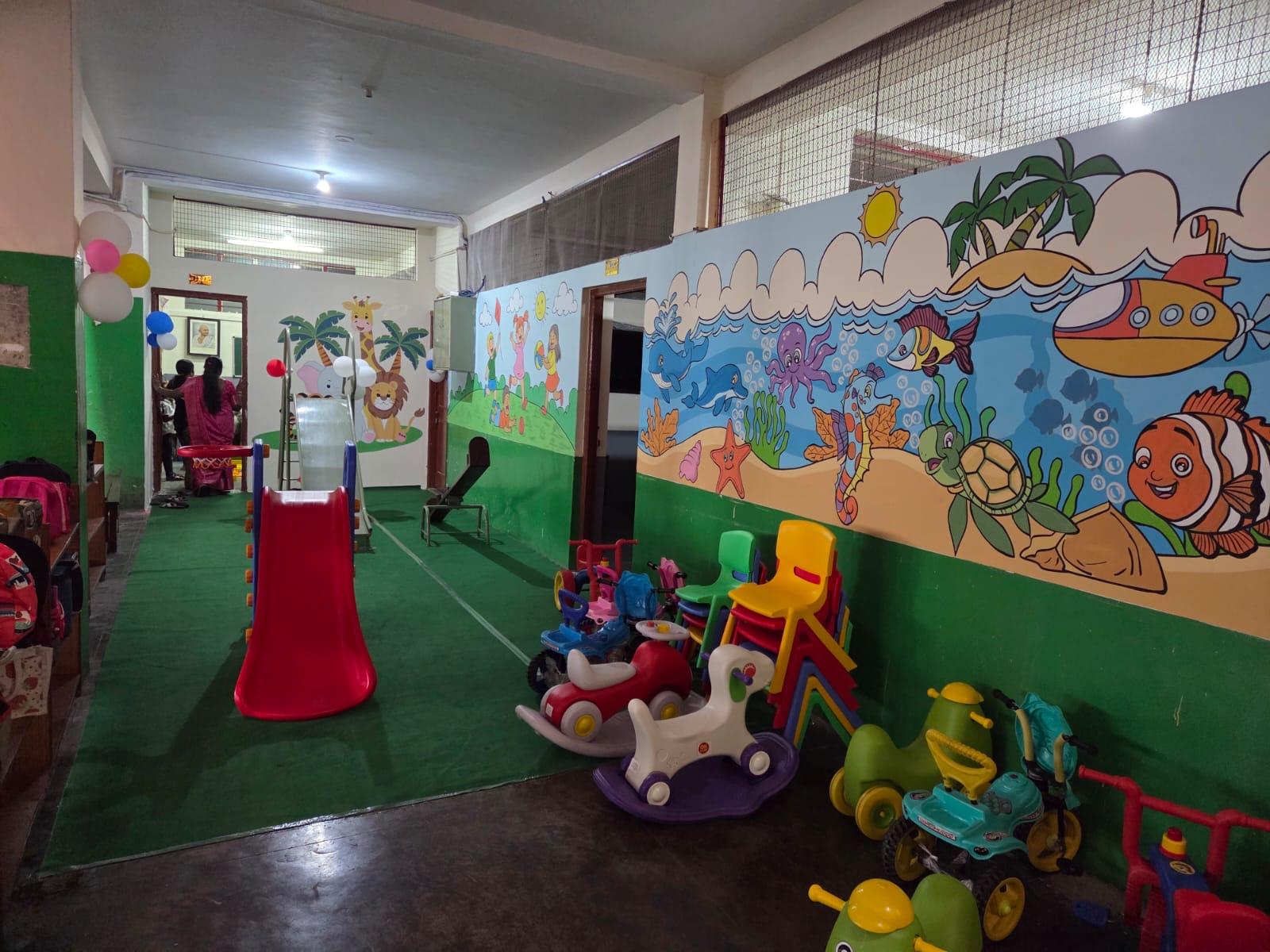
L.K.G. (Lower Kindergarten) and U.K.G. (Upper Kindergarten) are the foundational stages of preschool education that bridge the gap between home and formal primary schooling. These early years play a vital role in preparing children for Grade 1 by focusing on their overall development through a combination of play-based and structured learning activities.
Our nursery program nurtures children’s cognitive, social, emotional, language, and motor skills, creating a strong foundation for lifelong learning.
Why Nursery Education Matters
Social and Emotional Development
Children learn to interact with peers, share, cooperate, take turns, and express their feelings confidently in a safe and supportive environment.
Cognitive Development
Activities such as storytelling, puzzles, games, and structured play stimulate brain development, enhance vocabulary, improve concentration, and strengthen problem-solving abilities.
Independence and Daily Routine
Children develop self-help skills, learn to follow instructions, manage simple daily tasks, and adapt to a classroom routine, fostering confidence and independence.

Oral Activities
- Introduction to Alphabets through Phonics
- Two-Letter Word Recognition
- Introduction to Capital Letters (A–Z)
- Introduction to Small Letters (a–z)
- Number Recognition
- Moral Stories
- Rhymes and Action Songs
- Conversation and Speaking Practice
Written Activities
- Correct Holding of Pencil and Crayon
- Picture Recognition of Alphabets
- Colouring Alphabet Blocks
- Matching Similar Alphabets
- Circling Pictures Related to the Given Alphabet
- Standing and Sleeping Lines Practice
- Zig-Zag Line Practice
- Circle and Curve Formation Exercises
Learning Outcomes
By the end of the Nursery program, children will be able to:
- Recognize and identify alphabets and numbers.
- Develop pre-writing and fine motor skills.
- Communicate basic ideas confidently.
- Follow classroom instructions and routines.
- Participate in group activities and social interactions.
- Build readiness for formal schooling in Grade 1.