
High School Education (Classes 8 to 10)
Introduction
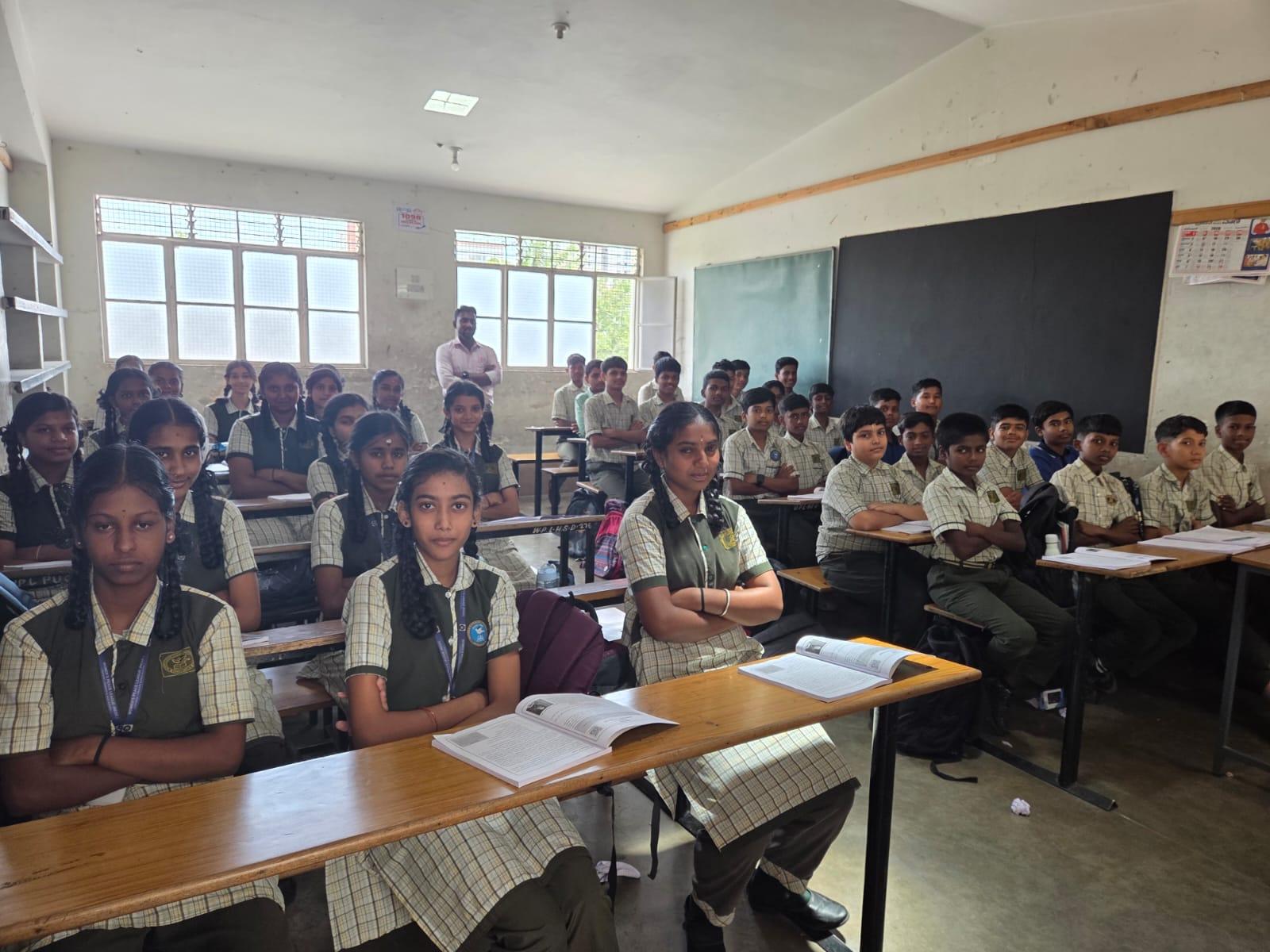
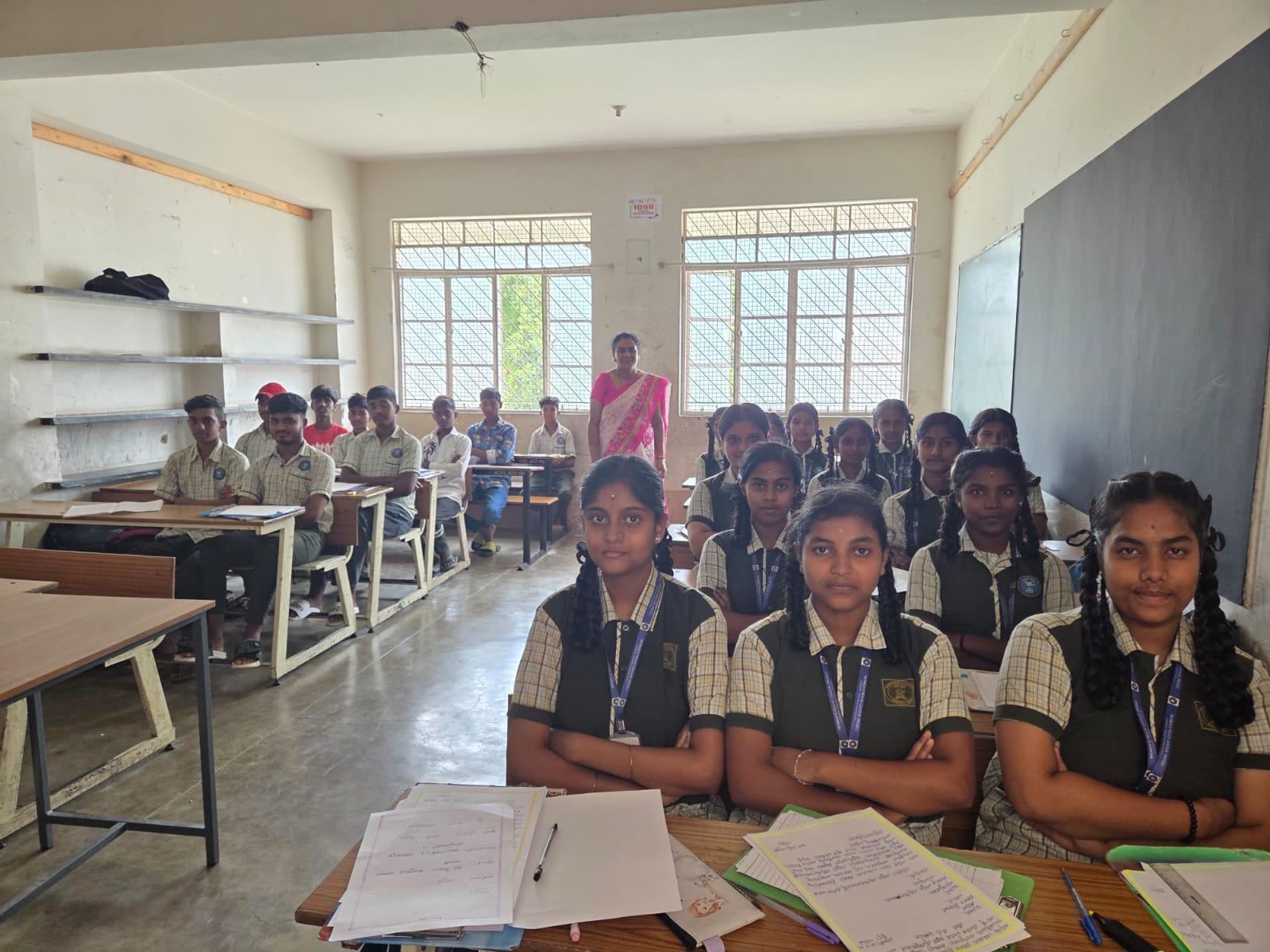
High school education is a significant stage in a student’s academic journey, preparing learners for higher secondary education, university pathways, vocational studies, and future careers. During these formative years,
academic learning becomes more specialized, structured, and aligned with real-world applications. High school is not only about acquiring knowledge but also about developing critical thinking, leadership, responsibility, and life skills. It is a period
where students discover their strengths, explore their interests, and prepare themselves to become confident, responsible, and productive members of society.
Importance of High School Education
1. Academic Excellence
Advanced Learning
Students build upon the foundational knowledge acquired in earlier years and engage with more in-depth concepts across various subjects.
Critical Thinking and Problem Solving
The curriculum encourages analytical thinking, logical reasoning, research skills, and the ability to solve complex problems independently.
2. Personal Development
Confidence and Leadership
Students develop self-confidence, decision-making abilities, leadership qualities, and a sense of responsibility through academic and co-curricular activities.
Character Building
High school education reinforces values such as discipline, integrity, respect, perseverance, and social responsibility.
3. Social and Emotional Growth
Communication and Collaboration
Through classroom discussions, projects, and group activities, students learn effective communication, teamwork, and interpersonal skills.
Responsible Citizenship
Students gain an understanding of their roles and responsibilities within their community and society, fostering civic awareness and ethical behavior.
4. Preparation for Future Pathways
Higher Education Readiness High school prepares students for higher secondary studies by strengthening their academic foundation and study skills.
Career Awareness
Exposure to different subjects and practical learning experiences helps students identify their interests and make informed educational and career choices.
Core Features of High School Education
Academic Curriculum
Students study a comprehensive curriculum that emphasizes conceptual understanding, application-based learning, and academic excellence.
Co-Curricular and Extracurricular Activities
The school encourages participation in cultural programs, sports, debates, quizzes, literary activities, science exhibitions, and leadership opportunities to ensure holistic development.
Technology Integration
Computer education is integrated into the curriculum to equip students with essential digital literacy and practical technology skills.
Classes Offered
- Class 8
- Class 9
- Class 10
Subjects Offered
Languages
First Language
- Kannada / Sanskrit
Second Language
- English/Kannada
Third Language
- English / Hindi
Core Subjects
- Mathematics
- Science
- Social Studies
Computer Education
- Computer Science (Theory and Practical) for Classes 8 to 10
Learning Outcomes
By the end of High School, students will be able to:
- Demonstrate strong academic knowledge across core subjects.
- Apply critical thinking and problem-solving skills effectively.
- Communicate confidently in multiple languages.
- Use technology responsibly and efficiently.
- Exhibit leadership, teamwork, and social responsibility.
- Make informed decisions regarding higher education and career pathways.
- Develop the confidence and competence required for lifelong learning and success.